

Karratha
THINGS TO SEE AND DO
From rugged red landscapes to coastal wonders, Karratha is full of unique experiences. Explore ancient Aboriginal rock art, wander through national parks, or unwind along pristine beaches — there’s plenty here to discover.
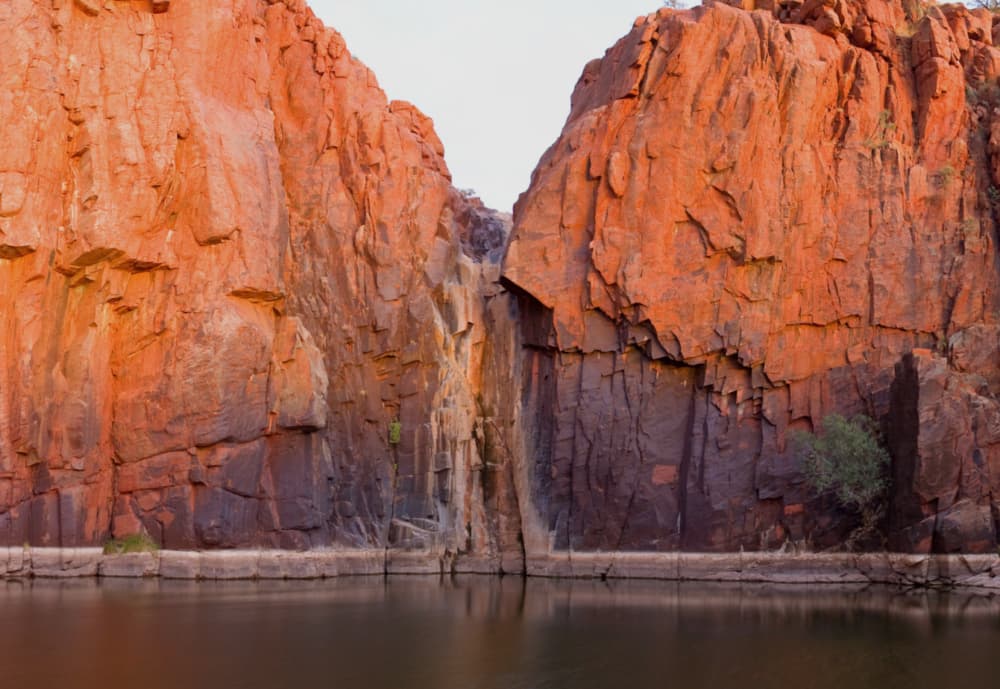
Visit Millstream-Chichester National Park
Cut south from the nearby town of Roebourne and before long you’ll come to a stunning tropical oasis against the
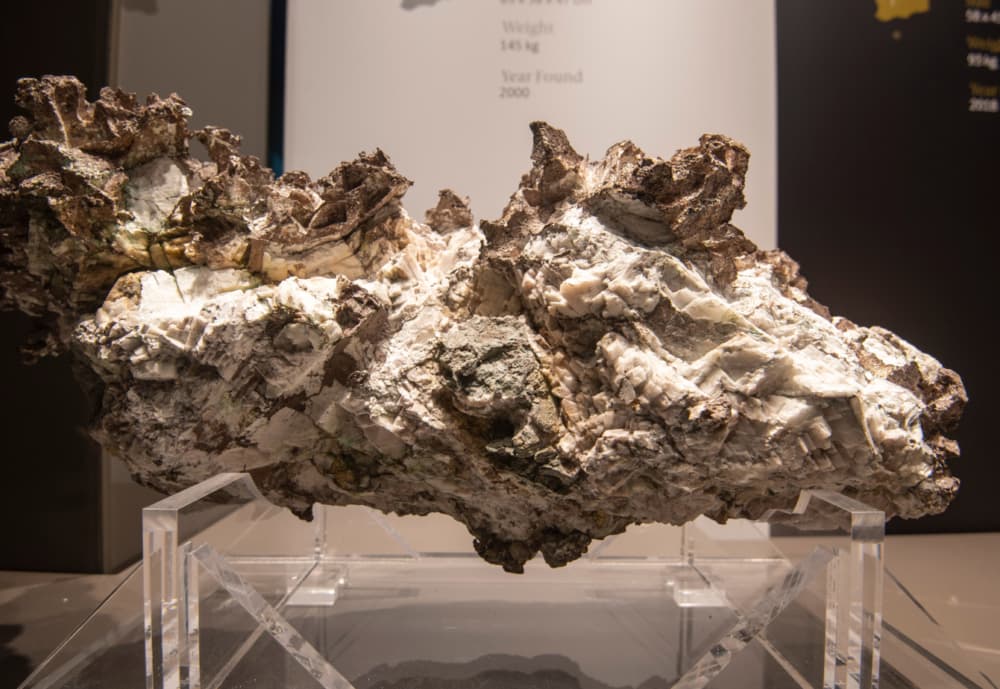
Red Earths Art Precinct
Karratha has recently gained a state-of-the-art venue for culture, functions and community events. It’s a captivating building, in tune with
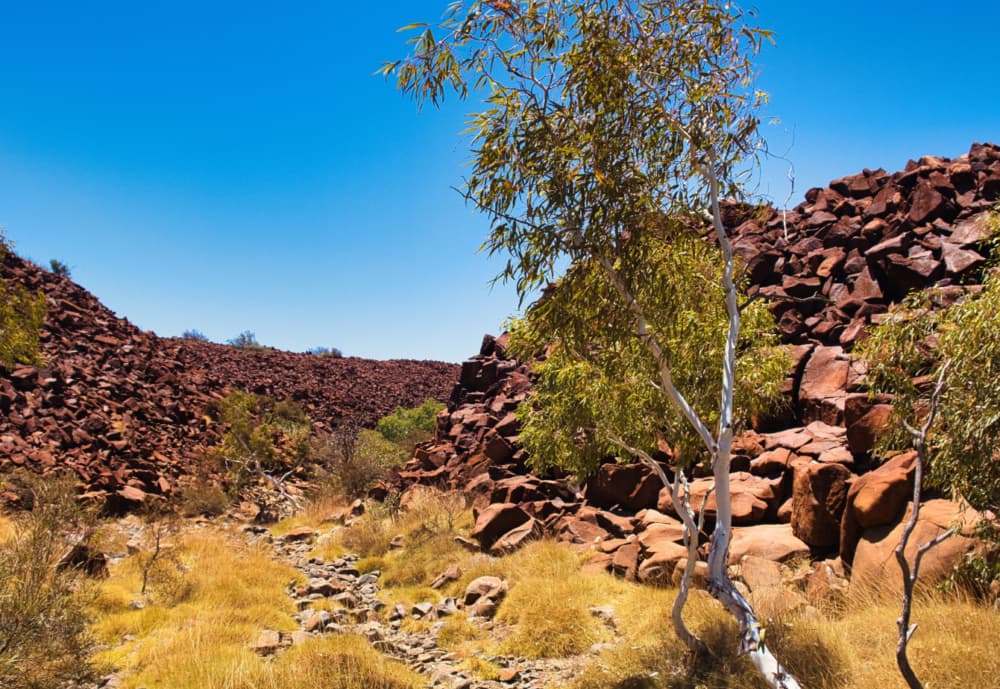
Visit Deep Gorge
We’ve mentioned that the Burrup Peninsula and Dampier Archipelago are rich with Aboriginal rock art sites, and one of the
Other Attractions
Along the Pilbara and Kimberley coastline a beautiful natural spectacle occurs on nights with a full moon between March and November.
Staircase to the Moon is an optical illusion when the moon reflects on exposed mudflats at low tide.
The result is a long and wide shaft of light with little ridges resembling a staircase reaching up to the moon.
People plan whole evenings around this phenomenon, packing a picnic and deckchair.
The best spot to witness Staircase to the Moon around Karratha is Hearson’s Cove.
As if to add to the mystery of the long arm of land extending out on the west side of Nickol Bay it was named after one Henry Wood Burrup who was murdered in unexplained circumstances at Roebourne’s Union Bank in 1885. The Burrup Peninsula is a harsh environment of massive rock formations, cliffs and steep, sparsely vegetated slopes.
The land was inhabited for millennia by the Jaburara people, who left behind the largest, oldest and most significant collections of rock art in the world.
There are innumerable sites spread throughout the Murujuga National Park at the peninsula’s north end, as well as across the islands of the Dampier Archipelago offshore.
For a complete panorama of the peninsula you can reach a lookout close to the junction of the Burrup and Dampier Roads.
The peninsula’s industry is also hard to miss: Gas is drilled at an offshore platform 130km north of the town of Dampier, before being treated here onshore and then piped 1,450km to the south of the state.
Constellated around the Burrup Peninsula is a group of 42 islands, more than half of which are protected by reserves.
As with the mainland, the archipelago’s underlying rocks are among the oldest on the planet, formed over 2,400 million years ago.
Despite the industrial activity on shore, the islands are a natural paradise.
Loggerhead, flatback, green and hawksbill turtles nest on the beaches, as well as more than 25 bird species, among them bridled and fairy terns.
No fewer than six species of marine mammal have been counted in the islands’ waters, from dugongs to bottlenose dolphins and migrating humpbacks between July and September.
Hire a boat and spend a day or two snorkelling, swimming, lying back on beaches or hiking in places where few people have set foot.
You’ll come away a little wiser about Karratha and its pre-European history after taking this self-guided walk dedicated to the Yaburara Aboriginal Tribe.
The 3.5-kilometre trail begins close to the Karratha Tourism & Visitor Centre, taking you along the rugged ridge that traces the town and serves as a natural balcony for the coastal plain around Nickol Bay.
There are several panoramic lookouts on the route, furnished with informative signs outlining the landmarks on the horizon.
There’s also lots of insight about the many thousands of Aboriginal petroglyphs littered across the region and dating back millennia.
The trail covers some tough terrain so it’s best to be prepared and head out early in the day.
In a recess on the bay side of the Burrup Peninsula is a sublime sandy beach, withdrawn between two powerful headlands.
When the tide is up Hearson’s Cove is the best place in the region for a swim, and at low tide the sea practically disappears and you can walk across the mud flats for hundreds of metres.
When the conditions are right between March and November, this is one of the top places in the Pilbara to watch Staircase to the Moon, and there’s profuse wildlife all around, from the turtles in the coral cay to eagles and kangaroos in the rugged bush.
Hearson’s Cove played a part in the area’s early European settlement, as the landing site of F.T. Gregory’s Northwest Exploring Expedition in 1861.
A Gold Rush settlement, Roebourne was the first gazetted town in the North West, but in 1872 was razed by a cyclone.
The famed Public Works Department architect George Temple-Poole (1856-1934) was called in for the rebuild in the 1880s, which has left the town with some grand bluestone buildings.
Among them are the courthouse, Shire Offices, Holy Trinity Church, post office and this unusual old gaol.
Able to house 40 prisoners, this complex is designed on an octagonal plan, so that one gaoler could be in charge of all four wings.
Now the Roebourne Tourist Centre is housed in the gaol’s imposing old entrance.
There’s much to experience around Karratha, but getting to places isn’t always easy.
This makes the local visitor centre a vital resource, offering a free booking facility for trips to the Millstream-Chichester National Park, the Dampier Archipelago and the extremely remote Karijini National Park, which we’ll talk about below.
You can also grab leaflets and maps, and get invaluable firsthand advice from the centre’s staff.
Essential in winter and spring is a handy calendar for Staircase to the Moon, detailing the moonrise and tide times so you won’t miss a thing.
For those hungering for real adventure, Karratha is the closest large settlement to Western Australia’s second-largest national park.
Karijini National Park lies five hours inland, and protects more than six million square kilometres of mountainous terrain.
Here arid peaks loom above a plateau riddled with gorges.
People make the journey to hike in these rocky corridors, walled with mesmerising sedimentary formations and featuring waterfalls, slot canyons and dreamlike water holes that demand a refreshing swim.
Karijini National Park is remote enough that a 4WD tour is the most sensible way in, and this can be arranged at the Karratha Tourism & Visitor Centre.
At the mouth of the Harding River, about 20 minutes east of Karratha there’s an enthralling ghost town with a few bluestone buildings still standing despite 150 years of cyclones.
In the 1870s Cossack the North West’s main shipping port, and a lively base for the gold and pearling industries.
There was even a Chinatown here because of the high number of Chinese and Japanese people working in pearling.
But by the mid-1880s those pearl banks were depleted and the industry moved on.
Now you can trace Cossack’s swift rise and fall on a five-kilometre heritage trail (walk or drive), showing off the region’s oldest architecture at eight fully restored buildings and fields of eerie ruins.
You can see right across Karratha and out into Nickol Bay from this lookout at the beginning of the Yaburara Heritage Trail.
The name for this vantage point is no mystery as there’s a pair of massive water tanks posted on this sparsely vegetated ridge.
You can get here easily from the visitor centre car park, and can escape the sun with the help of the covered picnic tables.
On a clear day you’ll b able to see right along the Burrup Peninsula to the Dampier islands guarding the entrance to the bay.
This far-off corner of Western Australia is surely one of the world’s most remote places for a round of golf.
But there’s an 18-hole course in front of the bay, just north of Karratha, with surprisingly good facilities including club and buggy hire, a small pro shop and a restaurant.
In 2020 green fees were $24 for 9 holes and $35 for 18, while the course is dotted with native vegetation and gives you occasional vistas of the bay.
After a round you can retreat for a cold drink at the restaurant’s terrace, which has a gorgeous view late in the day.
With coral reefs inhabited by kaleidoscopic tropical fish, turtles and rays, the Pilbara’s waters are ripe for a diving or snorkelling expedition.
Whatever your level, the Karratha-based Pilbara Dive and Tours will help you do just that, offering a whole menu of experiences like shore diving, snorkel dives and dive trips to the Dampier Archipelago.
You can also use this accredited centre if you’re working towards PADI certification for anything from open water to rescue diver, as well as a host of specialty courses.
And if you’ve been out of the water for a while you can take a ReActivate course with Pilbara Dive, completing your theory component online before you arrive.